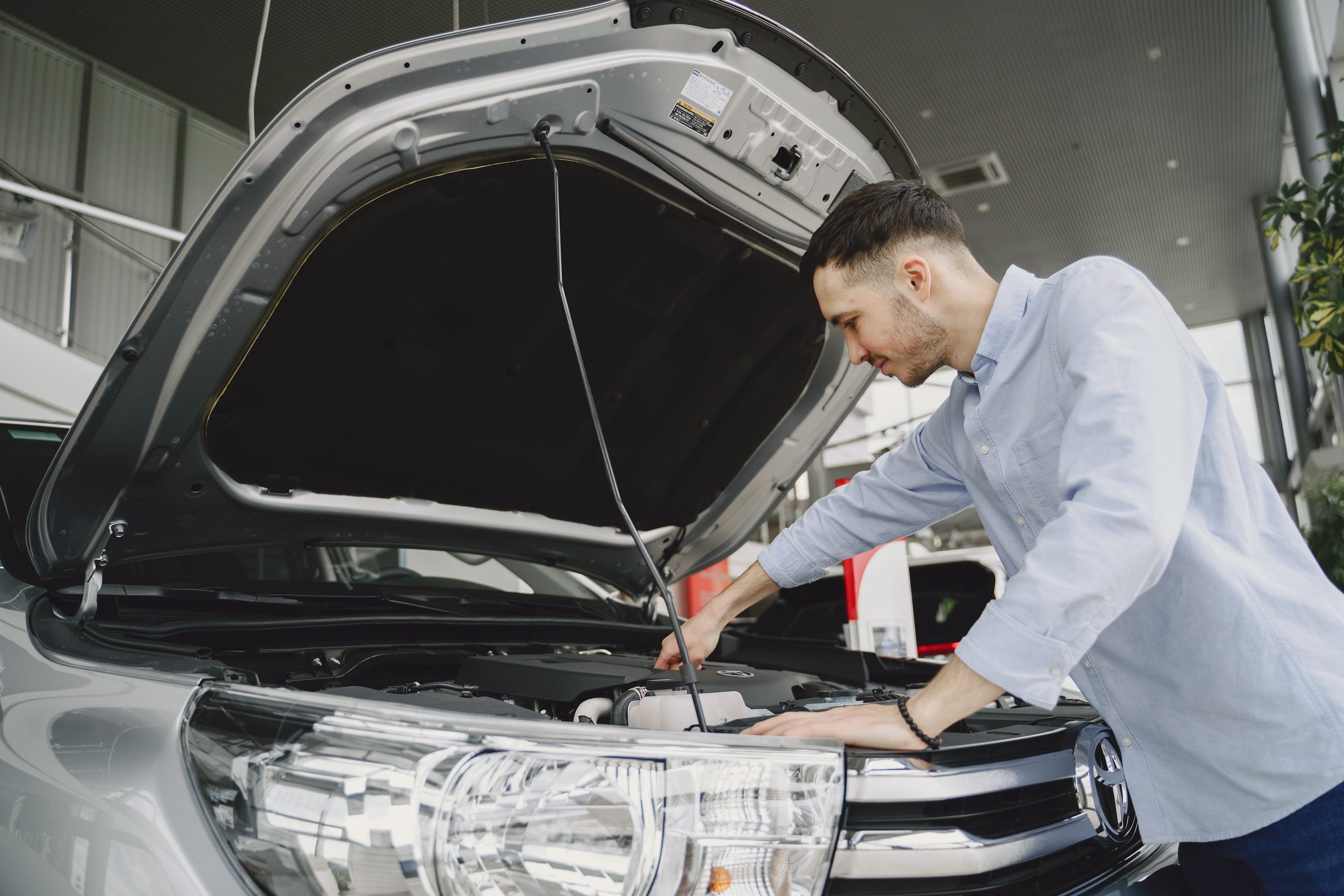
Owning a vehicle comes with the responsibility of keeping it in excellent condition. Many drivers make the mistake of waiting until a dashboard warning light appears before scheduling maintenance. While warning indicators are helpful, they often signal that a problem has already developed. Smart vehicle owners understand that preventive care is the key to avoiding expensive repairs, improving safety, and extending the life of their cars.
A proactive maintenance routine helps drivers identify small issues before they become major mechanical failures. Whether a vehicle is used for daily commuting, family travel, or long road trips, regular inspections ensure dependable performance throughout the year.
Preventive Maintenance Saves Time and Money
Routine maintenance is far less expensive than repairing severe engine damage or replacing major components. Simple tasks such as changing engine oil, inspecting belts, checking fluid levels, and replacing worn filters reduce unnecessary wear on the vehicle.
Drivers who follow a maintenance schedule also experience fewer unexpected breakdowns. Instead of dealing with emergency repairs, they enjoy greater peace of mind knowing their vehicle is operating efficiently. Staying organized with maintenance records is just as valuable as keeping track of important online resources like the Upbocw Portal, where timely information helps users stay informed.

Tires Deserve Regular Attention
Tires directly influence braking, handling, fuel economy, and overall driving safety. Checking tire pressure every few weeks, rotating tires according to manufacturer recommendations, and monitoring tread depth all contribute to better performance.
Uneven tire wear may also reveal alignment or suspension problems that should be corrected before they become more costly. Drivers who inspect their tires regularly benefit from improved traction and a smoother driving experience.
Just as people frequently visit https://cmyuvaudyamiyojana.com to explore useful information, vehicle owners should develop the habit of checking their cars before problems become visible.
Small Problems Rarely Stay Small
Vehicles constantly experience stress from changing weather, road conditions, and everyday driving. A slightly worn brake pad, a minor coolant leak, or reduced tire pressure may not seem serious initially, but each can develop into a much larger issue if ignored.
Regular inspections allow mechanics to identify these concerns before they affect other systems. Replacing a small component today can prevent the failure of several expensive parts tomorrow. This approach not only lowers repair costs but also minimizes the chances of being stranded unexpectedly.
Pay Attention to Performance Changes
A vehicle often communicates problems long before any warning light appears. Drivers should pay attention to unusual sounds, reduced fuel efficiency, rough acceleration, vibrations, or changes in steering response. These subtle signs frequently indicate that maintenance is needed.
Being attentive to these early symptoms helps maintain consistent vehicle performance while reducing long term repair expenses. Responsible vehicle ownership is built on observation as much as scheduled servicing.
Fluids Keep Every System Working Smoothly
Modern vehicles rely on several essential fluids, including engine oil, transmission fluid, brake fluid, coolant, and power steering fluid. Each performs a critical role in protecting mechanical components from excessive wear.
Ignoring fluid maintenance may lead to overheating, transmission damage, poor braking performance, or reduced engine efficiency. Regular inspections ensure these fluids remain at the proper levels and retain their protective properties.
When researching maintenance recommendations or technical guidance, many automotive resources encourage drivers to read here before attempting repairs themselves. Reliable information supports better maintenance decisions.
Technology Supports Better Maintenance
Many newer vehicles include maintenance reminders, onboard diagnostics, and digital service records. These features help owners monitor the condition of their vehicles more accurately than ever before. However, technology should complement preventive maintenance rather than replace it.
Experienced drivers know that waiting for an electronic alert is not always the best strategy. Visual inspections and regular servicing continue to play an essential role in preventing unexpected failures.
Staying informed through trusted resources can be as practical as reviewing information related to mee bhoomi adangal when accurate records are required for another purpose. Organized information supports better decision making in every field.
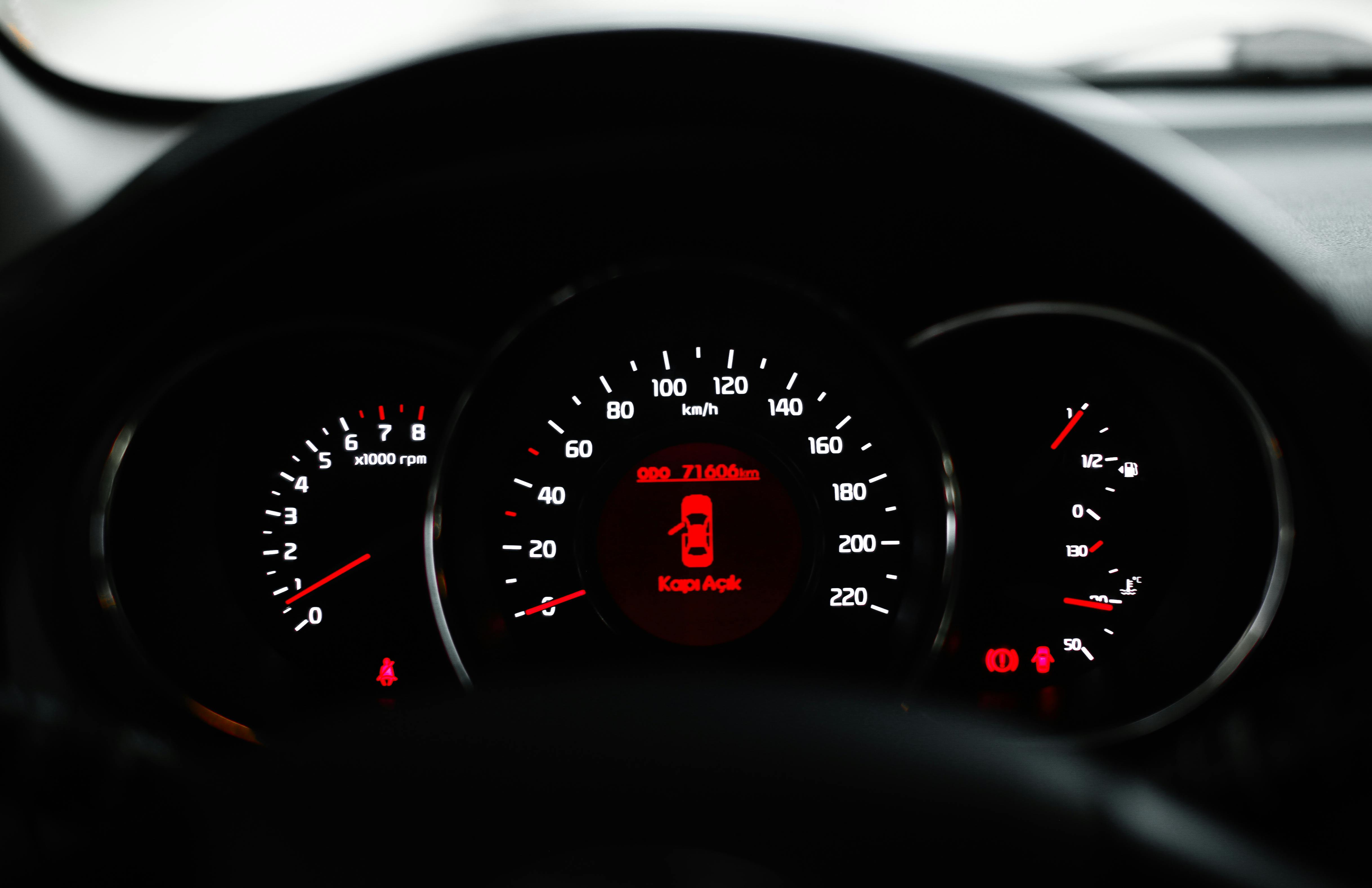
Build Good Maintenance Habits
Creating a simple maintenance routine makes vehicle ownership much easier. Checking tire pressure monthly, monitoring fluid levels, replacing worn wiper blades, testing the battery, and following the manufacturer’s recommended service intervals all contribute to dependable performance.
Keeping a maintenance log also helps identify recurring issues and provides valuable documentation if the vehicle is sold in the future. Organized records demonstrate that the vehicle has been properly cared for.
Similarly, platforms such as bhulekhuk.org remind us that maintaining accurate records is valuable in many aspects of life, including responsible vehicle ownership.
Conclusion
Smart vehicle maintenance begins long before warning lights appear on the dashboard. By inspecting key components regularly, addressing small issues promptly, and following preventive maintenance schedules, drivers can avoid costly repairs while improving safety and reliability. A well maintained vehicle performs better, lasts longer, and delivers greater confidence on every journey. Preventive care is not simply about fixing problems. It is about ensuring they never have the opportunity to develop in the first place.