Everyday life is shaped by countless small decisions, and one of the most impactful among them is the choice of vehicle. Whether it is commuting to work, running errands, or planning weekend trips, the kind of vehicle you rely on can significantly influence your efficiency, time management, and overall productivity. Interestingly, just like how people browse platforms such as punsdictionary.com to find quick humor that fits their mood, selecting the right vehicle adds ease and alignment to daily routines.
The Role of Practicality in Vehicle Selection
Choosing a vehicle is not just about style or brand appeal. Practicality plays a key role in determining how efficiently you move through your day. A fuel efficient car, for example, reduces the need for frequent stops at gas stations, saving both time and money. Similarly, compact vehicles are easier to maneuver in crowded city spaces, making parking and navigation less stressful.
When your vehicle matches your lifestyle needs, you eliminate unnecessary friction. This leads to smoother transitions between tasks, allowing you to focus more on what truly matters rather than worrying about logistics.
Time Management and Commute Optimization
One of the biggest ways a smart vehicle choice impacts efficiency is through commute optimization. Vehicles equipped with modern navigation systems, real time traffic updates, and comfortable interiors can transform long drives into productive or relaxing experiences.
Imagine having a vehicle that minimizes delays and keeps you informed about the fastest routes. It is similar to how someone checks today match women updates to stay informed quickly without searching endlessly. Efficiency is about saving time and making informed decisions, and your vehicle can play a huge role in that process.
Fuel Efficiency and Cost Savings
Fuel efficiency is another critical factor that directly affects everyday efficiency. Vehicles with better mileage reduce overall expenses, freeing up resources for other priorities. Over time, these savings can be substantial.
Additionally, reduced fuel consumption means fewer interruptions in your schedule. You do not need to constantly plan your routes around fuel stops, which contributes to a more seamless daily routine. This financial and operational efficiency makes a noticeable difference in long term planning.
Comfort and Productivity on the Move
Comfort is often overlooked, yet it has a direct impact on productivity. A vehicle with ergonomic seating, smooth handling, and low noise levels ensures that you arrive at your destination feeling less fatigued.
For many people, vehicles also serve as mobile workspaces. From taking calls to listening to informative content, a comfortable environment enhances focus. Just like curating the best dp for instagram for girl reflects personal identity and mood, choosing a comfortable vehicle reflects an understanding of your daily needs and priorities.
Technology Integration for Smarter Driving
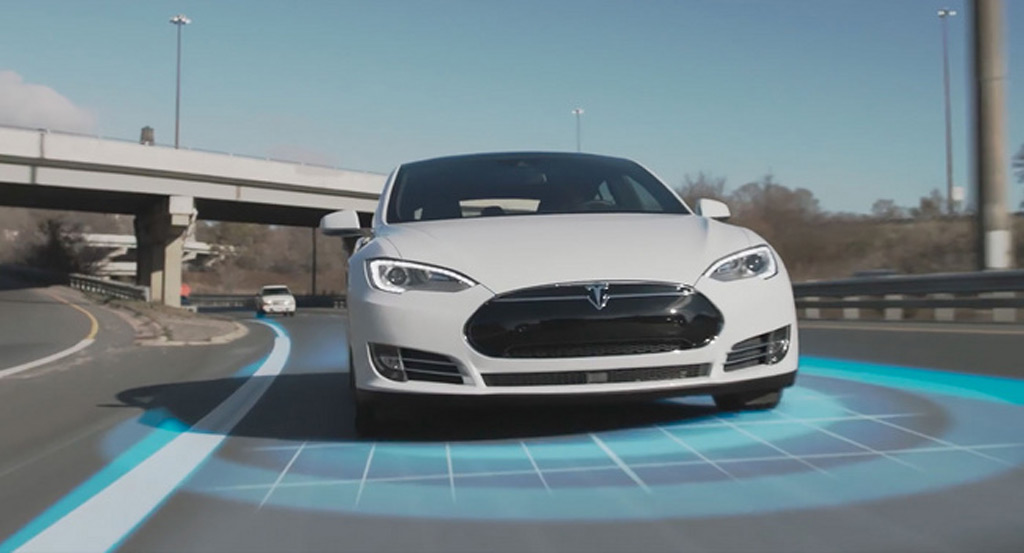
Modern vehicles come equipped with advanced technology that enhances efficiency. Features such as adaptive cruise control, parking assistance, and connectivity options simplify driving and reduce mental load.
Integration with apps and digital systems allows drivers to plan routes, monitor vehicle health, and even manage expenses more effectively. Platforms like sevasindhuportal.org demonstrate how digital tools streamline services, and similarly, smart vehicle technologies bring convenience directly into your driving experience.
Environmental Impact and Sustainable Choices
Efficiency is not only about personal convenience but also about environmental responsibility. Choosing electric or hybrid vehicles reduces your carbon footprint while maintaining high performance.
Sustainable choices contribute to long term efficiency by conserving resources and reducing dependency on fossil fuels. This broader perspective ensures that your daily habits align with global sustainability goals, creating a positive ripple effect.
Financial Planning and Smart Ownership
Owning a vehicle involves more than the initial purchase. Maintenance costs, insurance, and resale value all play a role in determining overall efficiency. A smart choice involves evaluating these factors before making a decision.
Digital platforms such as coyyn.com banking highlight how financial planning tools help individuals manage their resources wisely. Similarly, selecting a vehicle with lower maintenance costs and higher durability ensures better financial efficiency over time.
Conclusion
Smart vehicle choices are about aligning your transportation with your lifestyle, priorities, and long term goals. From saving time during daily commutes to reducing expenses and enhancing comfort, the right vehicle can transform how efficiently you navigate everyday life.
Efficiency is ultimately about making decisions that simplify your routine while maximizing output. By considering practicality, technology, sustainability, and financial factors, you can ensure that your vehicle becomes a tool that supports productivity rather than a source of inconvenience.